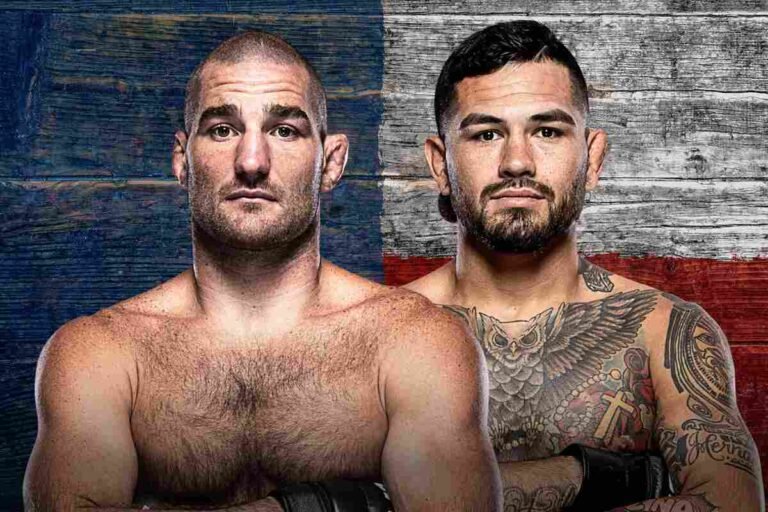


Hey there, fight fans. If you’re anything like me, there’s nothing quite like the buzz leading up to a big showdown in the ring or octagon. I’ve spent countless nights glued to the screen, heart racing as I try to predict who’ll come out on top. Remember that time when I thought I had it all figured out for a heavyweight clash, only to be totally wrong? Yeah, that’s the thrill—and sometimes the frustration—of getting into pre-match analysis.
Today, we’re talking about why digging into full lineups before major fights isn’t just helpful; it’s a game-changer for anyone who loves the sport. Whether you’re a casual viewer or a die-hard enthusiast, understanding the ins and outs can turn a good watch into an unforgettable experience.
In this post, I’ll walk you through what pre-match analysis really means, especially when it comes to those full lineups that drop just before the bell rings. We’ll cover strategies, real-world examples, and even some tips from my own mishaps and triumphs. By the end, you’ll feel more confident picking apart the next big event. Let’s get into it.
Why Pre-Match Analysis Matters for Fight Enthusiasts
Think back to the last major fight you watched. Were you scrambling at the last minute to figure out who was facing whom, or did you have a solid grasp on the matchups? For me, pre-match analysis started as a hobby but quickly became my secret weapon for enjoying fights more deeply. It’s not about spoiling the surprise—it’s about building anticipation and spotting those hidden edges that could swing the outcome.
Pre-match analysis helps you connect the dots between fighters’ styles, histories, and current form. Imagine you’re betting on a card or just chatting with friends about predictions. Without it, you’re flying blind. I remember one UFC event where I skipped the deep dive and ended up shocked by an undercard upset. Lesson learned: knowing the full lineups in advance lets you appreciate the strategy behind every punch and takedown.
But here’s where it gets personal. As someone who’s followed combat sports for over a decade, I’ve seen how pre-match analysis eases that nagging doubt we all feel. “Is this fighter past their prime?” or “How does this matchup play out on paper?” Addressing these questions head-on makes the viewing experience less stressful and more engaging. It’s like having a roadmap for the chaos that’s about to unfold.
Also Read: NFL Streams: Best Live Games to Watch Today.
The Emotional Side of Pre-Fight Build-Up
Let’s be real—major fights stir up emotions. The hype, the rivalries, the what-ifs. Pre-match analysis taps into that by giving you a way to channel your excitement productively. I once spent a whole week breaking down a boxing title bout with a buddy over texts. We’d debate strengths and weaknesses, and it made the actual event feel like the climax of our own story.
For many fans, the pain point is feeling overwhelmed by the sheer volume of info out there. Social media buzz, expert opinions, stats galore—it can be too much. That’s why focusing on full lineups simplifies things. It narrows your scope to the essentials: who’s fighting, their records, and potential game plans. This approach humanizes the process, turning cold data into relatable narratives about athletes chasing glory.
Breaking Down Full Lineups in Pre-Match Analysis
Now, let’s get practical. Full lineups are the backbone of any solid pre-match analysis. They usually drop a few days or even hours before the event, listing every bout from prelims to the main event. But it’s not just names on a page; it’s a puzzle waiting to be solved.
In my experience, starting with the headliners is key, then working your way down. Take a recent MMA card, for instance. The main event might pit a striker against a grappler—classic styles clash. Pre-match analysis here involves weighing reach advantages, knockout rates, and submission defenses. I always jot down notes: “Fighter A has a 70% takedown defense, but Fighter B lands 4.5 strikes per minute.” It sounds nerdy, but it pays off when you’re yelling at the TV because you saw it coming.
Don’t overlook the undercard, though. Those fights often steal the show and influence the night’s momentum. Full lineups reveal rising stars or veterans looking for redemption, adding layers to your pre-match analysis.
Also Read: Strickland vs Hernandez: UFC Main Card Analysis.
Key Elements to Include in Your Pre-Match Analysis
When I do pre-match analysis, I break it into core components. First, fighter backgrounds: Where are they from? What’s their journey been like? This adds that storytelling element we crave. For example, a comeback story can fuel underdog motivation.
Next, stats and metrics. Win streaks, average fight time, injury history—these are gold. Tools like official league sites provide this data, making it easy to spot trends. I once predicted a knockout based on one fighter’s poor chin stats, and boom, it happened in round two. Felt like a genius.
Then, stylistic matchups. Does one prefer stand-up while the other thrives on the ground? Pre-match analysis shines here, helping you visualize the fight’s flow.
Finally, external factors: Training camps, weight cuts, and even crowd energy. Full lineups often come with weigh-in details, which can hint at readiness. I’ve learned the hard way that a bad weight cut can derail even the best-laid plans.
Real-World Examples of Pre-Match Analysis in Action
To make this tangible, let’s look at some iconic major fights where pre-match analysis made all the difference—or where skipping it led to surprises.
Take the McGregor vs. Mayweather boxing spectacle. Going into it, full lineups weren’t the focus since it was a one-off, but pre-match analysis was everywhere. Analysts pored over McGregor’s MMA background versus Mayweather’s undefeated boxing record. I remember debating with friends: Could McGregor’s power translate? My own analysis leaned toward Mayweather’s experience winning out, and it did. That event taught me how cross-disciplinary matchups demand extra scrutiny.
Another one: UFC 229, Khabib vs. McGregor. The full lineup included solid undercard bouts, but the main event hype was insane. Pre-match analysis highlighted Khabib’s wrestling dominance against McGregor’s striking. I shared my thoughts in a group chat, predicting a ground-and-pound finish. When it happened, the satisfaction was unreal. But what if you’d ignored the analysis? You’d miss the buildup’s depth.
On the flip side, upsets like Holm vs. Rousey in UFC 193. Many fans, including me at first, underestimated Holm based on superficial looks. Deeper pre-match analysis would have shown her boxing pedigree and footwork as counters to Rousey’s aggression. It’s a reminder: Full lineups are just the start; the real work is in the details.
Also Read: UFC 323 Fight Week: UFC Teams with Nevada Charities.
Lessons from Boxing’s Biggest Nights
Switching to boxing, consider the Fury vs. Wilder trilogy. Each fight’s pre-match analysis evolved with new data. In the first, it was about power vs. skill. By the third, full lineups (though mostly the main event) included rematch clauses and training insights. I followed it closely, noting Fury’s weight gain for the second fight as a strategic shift. Predicting his dominance felt earned because I’d invested in the analysis.
These examples show how pre-match analysis isn’t static—it’s adaptive. For upcoming fights, like potential Usyk vs. Fury rematches, starting with the announced lineups lets you build your narrative early.
How to Conduct Your Own Pre-Match Analysis
Alright, you’ve got the why and the what—now the how. As a fan who’s refined this over years, here’s my step-by-step guide to nailing pre-match analysis without overwhelming yourself.
Step one: Gather sources. Official sites, fighter interviews, and stats databases are your friends. Avoid unreliable forums; stick to verified info.
Step two: Review full lineups as soon as they’re out. Note divisions, records, and rankings. This sets the stage.
Step three: Dive into individual profiles. Watch highlight reels, read bios. Make it fun—treat it like scouting for your fantasy team.
Step four: Compare head-to-head. Use tools or spreadsheets for side-by-side stats. I use a simple notebook app; nothing fancy.
Step five: Factor in intangibles. Mindset, coaching changes—these can tip the scales.
Step six: Make predictions and explain why. Share them if you want; it adds accountability.
The beauty is, this process addresses common fan frustrations like “I don’t know where to start.” It’s straightforward, and the more you do it, the quicker it gets.
Also Read: NBA Season Schedule with Match Dates and Times.
Tools and Resources for Effective Pre-Match Analysis
No need for pro-level access; everyday tools suffice. Apps like ESPN or UFC’s own platform offer lineup announcements and stats. For deeper dives, sites like BoxRec for boxing or Sherdog for MMA are invaluable.
I also recommend podcasts and YouTube channels for expert breakdowns. Listening to pros during my commute has sharpened my pre-match analysis skills. And don’t forget social media—fighters often drop hints about their prep.
If you’re visual, create mind maps or charts. I’ve done this for big cards, and it makes complex lineups easier to grasp.
Common Mistakes in Pre-Match Analysis and How to Avoid Them
Even seasoned fans slip up. One biggie: Bias. Rooting for your favorite can cloud judgment. I fell for this during a title fight, ignoring red flags in my guy’s recent performances. Solution? Stay objective—focus on facts.
Another: Overloading on data. Too much info leads to paralysis. Stick to key metrics; quality over quantity.
Ignoring undercards is common, too. Full lineups include gems; missing them means missing potential stars.
Lastly, forgetting the human element. Fighters are people with lives outside the ring. A family issue or motivation boost can change everything. My tip: Read between the lines in interviews.
By sidestepping these, your pre-match analysis becomes more reliable and enjoyable.
Also Read: Soccer Streams: Shocking HD Live Results Now.
The Future of Pre-Match Analysis in Combat Sports
Looking ahead, pre-match analysis is evolving with tech. AI predictions, virtual simulations—it’s exciting. Imagine apps that auto-generate matchup breakdowns from full lineups.
But at its core, it’ll always be about the stories. As fans, we crave that connection to the athletes’ journeys. I see more interactive elements, like fan polls, integrating into official analysis.
For now, though, honing your skills keeps you ahead. Whether it’s the next pay-per-view or a local card, embracing pre-match analysis enriches the sport.
Wrapping Up Your Pre-Match Analysis Journey
We’ve covered a lot of ground here—from why pre-match analysis hooks you deeper into fights, to practical steps and real examples. Remember that time I bombed a prediction? It’s all part of the fun. Now, armed with this, tackle the next major fight’s full lineup with confidence.
What are your thoughts? Have you had a favorite upset where analysis paid off? Drop a comment; I’d love to hear. Until the next bell, keep analyzing and enjoying the sport we all love.
For more useful articles, visit my website: CrackStreamss.com.